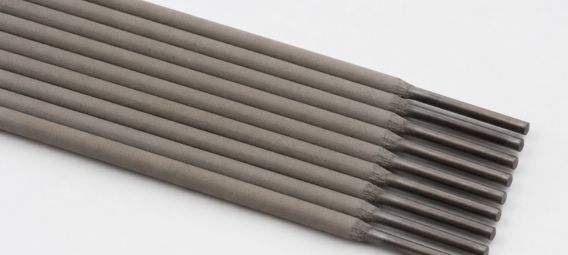
In many industrial plants, machine parts tend to wear out fast due to continuous exposure to friction, heat, and heavy impacts. Selecting the proper welding electrode will prevent failure of these components and greatly increase their service life. Cobalt base welding electrodes are frequently used for hardfacing, as the standard materials often erode too quickly in harsh conditions.
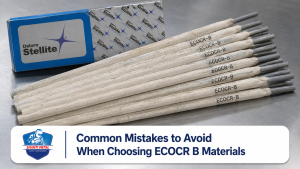
ECOCR-B welding electrodes are highly stable at high temperatures and resist wear to each other. You will see a lot of these used in the mining, cement, steel and power industries. They are used by companies because they help reduce maintenance costs and protect parts that are expensive to replace. This guide covers what they’re made of, how they perform and how you should use them on a job site.
What Are ECOCR-B Welding Electrodes?
These are cobalt base alloy electrodes made specifically for hardfacing. They are made for applications with high temperatures, heavy impacts and a lot of abrasion. They are very specifically designed. They contain a high percentage of carbon and tungsten.
When you use them for welding, these elements create hard carbide phases inside a cobalt matrix that is very tough. This creates a weld deposit that resists wear, which is why people use them for both building up new surfaces and repairing old ones. You can see how these alloys perform by looking at the Applications of ECOR-B COBALT Welding Electrodes.
Chemical Composition of ECOCR-B Welding Electrodes
The way these electrodes perform depends on the specific chemicals used in the alloy. Each element has a different role in the final weld metal.
| Element | Approx. Content |
| Cobalt (Co) | Balance (~55-65%) |
| Chromium (Cr) | 26-32% |
| Tungsten (W) | 7-12% |
| Carbon (C) | 1.2-1.7% |
| Silicon (Si) | ~1% |
| Manganese (Mn) | ~0.5% |
Together, these elements give ECOCR-B welding electrodes excellent wear resistance, hardness, and high-temperature strength. Cobalt creates a strong base matrix, while Chromium and Tungsten create carbides that increase corrosion and abrasion resistance. Carbon makes it harder, and Silicon and Manganese help in weld quality, toughness, and in general, stability of welding operations.
Mechanical and Physical Properties of ECOCR-B Welding Electrodes
ECOCR-B welding electrodes are designed to deliver reliable performance in applications involving abrasion, heat, and moderate impact loading. They are hard, wear-resistant, and thermally stable, and are useful in harsh industrial applications where durability is a must.
| Property | Value |
| Hardness | 40–50 HRC |
| Operating Temperature | Up to 500°C |
| Wear Resistance | Excellent |
| Heat Resistance | Excellent |
| Corrosion Resistance | Good |
| Impact Strength | Moderate to Good |
| Machinability | Requires Carbide Tooling |
Key Features and Benefits of Cobalt ECOCR-B Welding Electrodes
There are several features that make these electrodes useful for heavy-duty hardfacing.
Excellent Metal-to-Metal Wear Resistance
These electrodes provide excellent resistance against metal-to-metal wear. The carbide structure in the weld deposit reduces material loss when surfaces such as gears, sealing faces, and cam components operate under constant friction.
High Temperature Stability
ECOCR-B welding electrodes are hard even at high temperatures. This makes them suitable for furnace parts, boiler components, and other applications where heat resistance is required for long-term use.
Good Corrosion Resistance
The high Chromium content in the alloy improves resistance to oxidation and mild chemical exposure. This helps protect welded surfaces in harsh industrial environments and increases the reliability of the component.
Longer Service Life
The parts with hardfacing with ECOCR-B electrodes are usually wearing much slower. The added durability extends the service life of industrial parts in abrasive and demanding applications.
Reduced Maintenance Cost
Because the weld deposits resist wear and heat effectively, equipment requires fewer repairs and replacements. This helps lower maintenance downtime and reduces the overall operating cost of the machinery.
Ideal for Severe Operating Conditions
These electrodes have been developed for the severe conditions frequently experienced in mining, cement plants, power generation and other industries where abrasion, impact and heat are a constant factor.
Applications of ECOCR-B COBALT Welding Electrodes
You can use ECOCR-B wherever you need a combination of hardness and toughness.
- Cement Plants: They are used on grinding rolls, mill tables, and clinker crusher hammers. These parts are constantly ground down by hard minerals, and hardfacing helps them last through more cycles.
- Mining Industry: You will see them on drill bits, crusher liners, and conveyor bars. These parts deal with both abrasion and impact at the same time, and ECOCR-B can handle both.
- Steel Plants: Rolling mill guides, furnace door seals, and continuous casting parts benefit from the wear resistance at the high temperatures found in steel processing.
- Power Generation: They protect coal pulveriser parts and equipment that handle ash. Fine particles are very abrasive, and these electrodes protect parts during continuous operation.
- Oil and Gas Industry: Pump impellers and valve trims exposed to sand-laden fluids are protected to keep them from failing too early.
- Valve Seats and Pump Shafts: Using ECOCR-B on these parts stops surface galling and maintains the seal for a longer time.
- Cutting Tools and Turbine Blades: These tools need to stay hard and stable while they are being used constantly.
Welding Procedure and Best Practices
A proper procedure will produce a reliable weld. First, clean the base metal thoroughly with a grinder or wire brush to remove grease, rust and scales. Weld with DC reverse polarity (electrode positive). Adjust current to 90-130 A, depending on the thickness of the base metal and the diameter of the electrode. Do not heat the base metal to 300 – 400°C to avoid thermal shock and cracking. Use short stringer beads. Keep the part flat or tilted slightly. Cool slowly under insulation. Always wear PPE and work with good ventilation as fumes of cobalt are hazardous.
Why Choose an ECOCR-B Welding Electrodes Supplier?
Buy from a supplier you can trust. A good supplier will supply electrodes with material test reports verifying them. They should meet standards such as AWS A5.13.
You need the chemical mix to be the same in every batch so the weld quality is predictable. A reliable supplier will have strict quality control and can give you technical support on things like which grade to use or how to set your welding parameters. Delivery and pricing are also important because delays in maintenance-critical jobs can lead to very high downtime costs.
Difference Between ECOCR-B and Other Cobalt Base Welding Electrodes
Knowing how ECOCR-B compares to other grades will help you choose the right one.
| Feature | ECOCR-B | ECOCR-C | ECOCR-A |
| Carbon Content | High (1.2-1.7%) | Low (~0.25%) | Medium (~0.7%) |
| Hardness (HRC) | 40-50 | 25-35 | 36-45 |
| Wear Resistance | High | Moderate | High |
| Impact Strength | Moderate | High | Moderate |
| Machinability | Difficult | Moderate | Difficult |
Conclusion
ECOCR-B welding electrodes are a very dependable choice for hardfacing when you need high hardness and thermal stability. They are used in many industries like mining and power generation to increase the life of the parts and reduce the maintenance interval. The right grade and certified supplier will guarantee the right quality and technical support. Contact a supplier who understands your application requirements for a quote or answers to your questions.