Choosing stainless steel welding consumables based on price or availability rather than material compatibility causes frequent weld failures. This oversight regularly compromises structural integrity within demanding chemical processing environments and high-temperature piping systems. E16-8-2 and ER347 are both stainless steel welding consumables used in corrosion-resistant and heat-resistant fabrication, but they differ in alloy designation, welding process, stabilisation mechanism, and the base materials they are designed to join. Understanding those differences before writing a welding procedure specification prevents post-weld corrosion and cracking that appear after fabrication.
What Is E16-8-2 Welding Consumable?
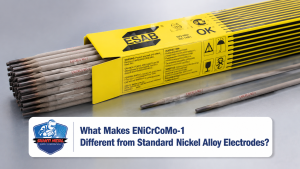
E16-8-2 is a covered electrode classification under AWS A5.4, designating a stainless steel SMAW (stick welding) electrode that deposits 16% chromium, 8% nickel, and 2% molybdenum weld metal. E16-8-2 deposits an austenitic stainless weld metal with a nominal 16% chromium, 8% nickel and 2% molybdenum composition. Its selection depends on the base-metal grades, required weld-metal properties, service conditions and applicable welding procedure. Chemical processing, high-temperature piping, and petrochemical equipment joining compatible austenitic grades use E16-8-2 where SMAW is the specified welding process.
What Is ER347 Welding Wire?
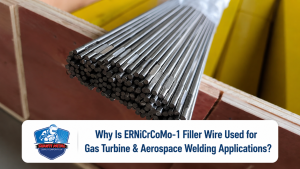
ER347 is a bare stainless steel welding wire classified under AWS A5.9 for TIG and MIG welding applications. It deposits Type 347 stainless weld metal niobium-stabilised to prevent carbide precipitation during welding and subsequent elevated-temperature service. Niobium ties up carbon in the weld metal, protecting grain boundaries from sensitisation that would otherwise create intergranular corrosion at weld heat-affected zones in service between 425°C and 870°C. Chemical processing equipment, heat exchangers, and high-temperature piping fabricated from Type 321 or 347 base material typically specify ER347 filler to match the stabilisation mechanism of the base alloy.
E16-8-2 vs ER347: Key Differences
| Feature | E16-8-2 | ER347 |
| Classification | AWS A5.4 covered electrode | AWS A5.9 bare welding wire |
| Typical Process | SMAW | TIG / MIG-GMAW |
| Alloy Type | 16-8-2 stainless weld metal | 347-type niobium-stabilised stainless |
| Stabilisation | Application-dependent | Niobium stabilised |
| Typical Use | High-temperature stainless steel welding | Joining/fabricating 347-type stainless steels |
| Selection Priority | Electrode and base-metal compatibility | Wire and base-metal compatibility |
The process difference SMAW for E16-8-2, TIG or MIG for ER347 often drives selection before alloy composition is even considered. Shop fabrication with access to TIG equipment typically specifies ER347 for cleaner, lower-spatter deposits on precision components; field welding in confined or outdoor conditions where SMAW is more practical uses E16-8-2.
Applications of E16-8-2 Welding Consumables
E16-8-2 electrodes suit high-temperature austenitic stainless steel piping in chemical processing and petrochemical plants specifically joints operating between 500°C and 800°C where controlled ferrite content in the weld deposit prevents hot cracking under thermal stress. Fabricated components in power generation, sulphur processing, and heat-resistant equipment joining 304H or compatible grades use E16-8-2 where the SMAW process is specified by the welding procedure or required by site conditions that prevent TIG welding.
Applications of ER347 Welding Wire
ER347 wire joins Type 347 and Type 321 stainless steel base materials in TIG and MIG welding procedures where niobium stabilisation in the weld metal must match the base alloy’s stabilisation to prevent sensitisation. Heat exchanger tube-to-tubesheet welds, chemical reactor vessel fabrication, superheater header connections, and petrochemical piping operating in the sensitisation temperature range all specify ER347 where weld zone intergranular corrosion would otherwise develop under sustained thermal exposure.
How to Select Between E16-8-2 and ER347
Base metal grade determines the first filter: ER347 specifically matches Type 347 and Type 321 base materials requiring niobium stabilisation in the deposit; E16-8-2 suits a broader range of austenitic grades where the 16-8-2 composition controls weld ferrite content across the operating temperature range. Welding process then narrows the selection: SMAW conditions require E16-8-2; TIG and MIG conditions typically specify ER347. Operating temperature and corrosion environment provide additional selection criteria. Where stabilised stainless steels such as Types 321 or 347 are being joined, ER347 may be selected when a niobium-stabilised weld deposit is required and the welding procedure permits its use.
Why Proper Welding Consumable Selection Matters
Weld cracking and intergranular corrosion failures in stainless steel piping trace more often to consumable misselection than to poor welding technique. Using an unstabilised filler on a stabilised base material creates carbide precipitation in the weld heat-affected zone that corrodes under process chemical exposure within 12–24 months of commissioning. Qualified welding procedures specify the filler metal as part of the essential variable changing from ER347 to an unstabilised equivalent without procedure re-qualification is a code compliance breach that creates both technical and contractual risk.
Conclusion
E16-8-2 and ER347 solve different welding problems E16-8-2 suits SMAW on high-temperature austenitic grades requiring controlled ferrite; ER347 suits TIG and MIG welding on niobium-stabilised base materials requiring matching deposit stabilisation. Neither is universally superior; the base material, welding process, service temperature, and corrosion environment together determine the correct selection. For stock availability, AWS certification, and application-specific technical guidance on E16-8-2 welding wire, contact Shanti Metal’s technical team before finalising your welding procedure specification.