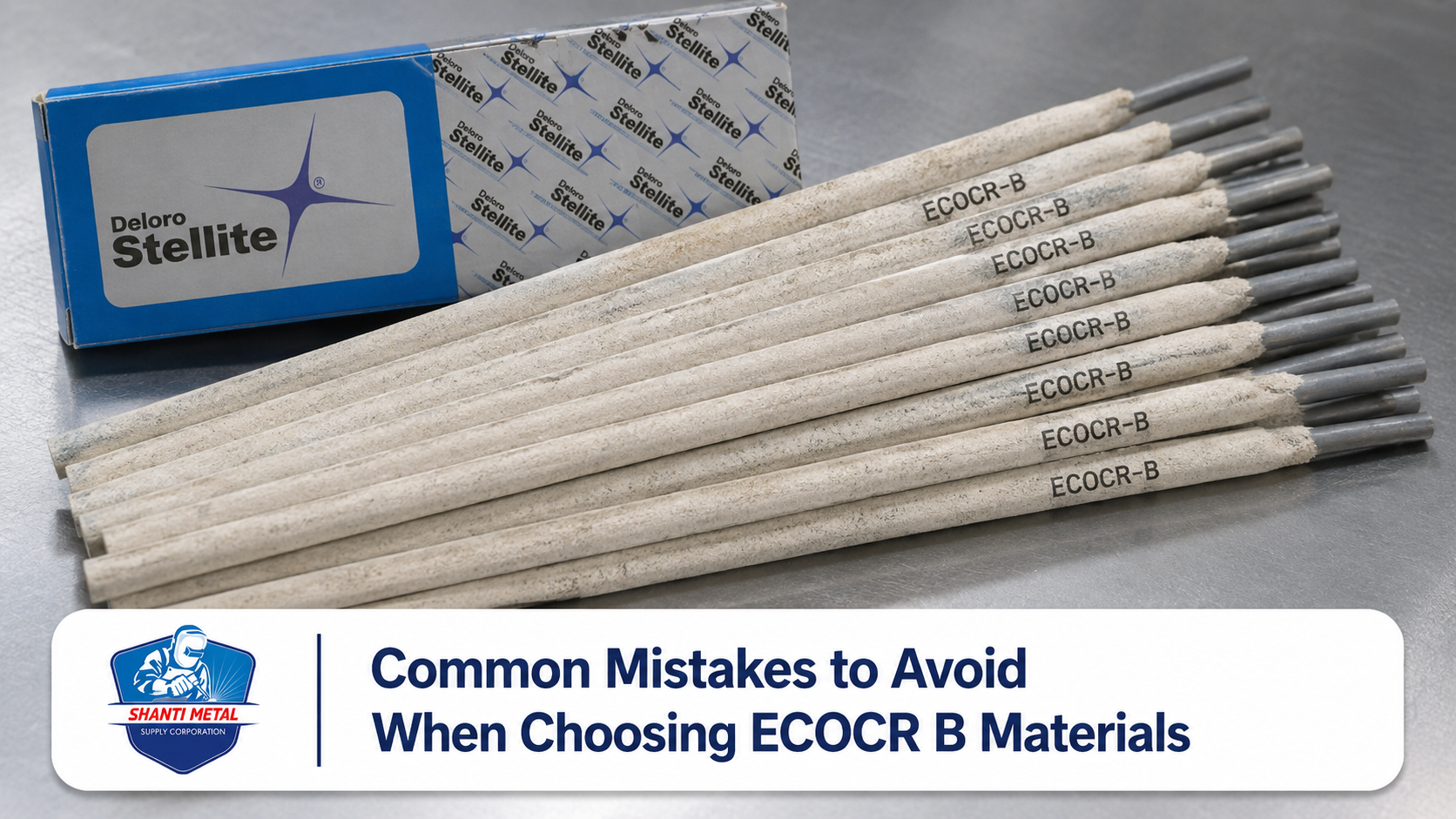
ECOCR B grade selection shapes how long chutes, liners, and hoppers survive in cement, mining, and power plant environments. ECOCR B is a chromium carbide overlay plate designed to withstand heavy abrasion, yet buyers narrow the choice to price or brand recognition without weighing actual operating conditions. Getting this decision wrong adds cost through early failure and unplanned downtime. This guide sets out seven mistakes to avoid before placing an order.
Understanding ECOCR B Material Before Selection
ECOCR B fuses a chromium carbide overlay onto a mild steel backing plate, resisting sliding wear and impact together. Coal handling plants, cement kilns, and steel mills use it for chutes, hoppers, and liners, though duty conditions shift from plant to plant. A generic specification rarely fits every application. Reviewing the wear-resistant plate range before finalizing drawings prevents rework later.
Key Properties of ECOCR B
ECOCR B performs on four measures under sustained mechanical and thermal load. Each one shapes how the plate holds up on site.
- Wear resistance
- Corrosion resistance
- High-temperature performance
- Mechanical strength
1: Choosing ECOCR B Without Evaluating the Operating Environment
When a buyer selects ECOCR B from catalogue data alone, without checking site duty cycles, cracking or spalling follows sooner than expected. Temperature, pressure and exposure conditions decide how long the plate lasts. The material’s technical data sheet settles this before ordering.
Factors to Evaluate Before Material Selection
Four operating factors decide whether a wear-resistant overlay plate holds up once installed on site.
- Operating temperature
- Corrosive media
- Abrasion and erosion levels
- Load and stress conditions
2: Ignoring Corrosion and Wear Requirements
In coal handling plants and mineral processing lines, abrasive wear and chemical exposure hit the same component at once. A plate rated for abrasion alone leaves the backing steel exposed to corrosion, which weakens the bond between overlay and substrate. Delamination follows before the wear surface reaches its expected life. Checking corrosion and wear performance data together closes this gap.
3: Overlooking Material Specifications and Industry Standards
Verifying chemical composition, mechanical properties, and heat treatment condition against the mill certificate matters before the plate ships. A plate may appear to be correct at a glance, but still be outside the required hardness range. Early deviations are identified by cross-checking these figures against industry norms.
Specifications to verify:
- Chemical composition
- Mechanical properties
- Heat treatment condition
- Dimensional tolerances
4: Selecting ECOCR B Based Only on Initial Cost
A lower quoted price on the plate itself can mean thinner overlay or reduced carbide volume. Both cut into the service interval. Replacing worn liners at twice the rate erases any upfront saving within the first year. Cost per tonne processed, not cost per plate, gives the real picture of lifecycle expense.
5: Not Matching ECOCR B to the Intended Application
A liner under low-angle sliding wear needs a different overlay hardness than a hopper wall facing high-impact loading. One standard grade of ECOCR B across every component in a plant ignores that difference. Matching thickness and hardness to each component’s duty extends service life.
Typical Industrial Applications
Four sectors account for most ECOCR B installations, each placing different demands on wear resistance.
- Oil and gas equipment
- Power generation components
- Mining and heavy engineering
- Industrial processing systems
6: Ignoring Fabrication and Machining Requirements
Cutting chromium carbide overlay takes longer than cutting mild steel, and schedules built on standard rates slip. Welding needs specific preheat and interpass temperature control to avoid cracking at the fusion line. Confirming these procedures with the fabricator early keeps timelines realistic.
7: Purchasing ECOCR B Materials Without Supplier Verification
An uncertified plate may fail before its service life, and you will not be able to determine what caused a malfunction on which technological equipment. Buying ECOCR B in the stockist with all tests and a guaranteed chemical composition will eliminate such problems. A certificate of analysis is important when selecting a metal in order to avoid overpayment for inferior materials.
What to Check Before Buying
Four checks confirm that a supplier’s ECOCR B stock matches its specification in practice, not only on paper.
- Material test certificates
- Product traceability
- Quality assurance processes
- Technical support and documentation
Benefits of Selecting the Right ECOCR B Material
Specifying the correct ECOCR B grade results in enhanced equipment life and reduced maintenance costs.
- Having the correct material specification improves overall equipment performance while reducing the need for downtime.
- By using a plate that is correct for the application, the life of the equipment often greatly exceeds that of standard materials.
- Less downtime and fewer maintenance headaches are the result of more accurate specification.
- Extended service intervals lower the total cost of ownership.
Conclusion
Selecting ECOCR B correctly comes down to evaluating operating conditions, verifying specifications, and calculating lifecycle cost rather than purchase price. Shanti Metal Supply Corporation has stocked stainless steel, nickel alloys and wear-resistant plate materials for over four decades. Working through these mistakes before ordering protects equipment reliability and keeps maintenance budgets in check.